
Boost Operational Efficiency with ERP Software
Running a business in construction, manufacturing, or retail can be challenging. You juggle many tasks daily, from managing inventory to coordinating teams and handling finances. What if there was a way to simplify all these processes? That’s where ERP software comes in. It’s a game-changer for businesses aiming to boost operational efficiency and grow seamlessly. Let me walk you through how this technology can transform your operations.
Understanding ERP Software Features That Drive Efficiency
When I first explored ERP software, I was amazed by the range of features designed to streamline business processes. These features are not just fancy add-ons; they solve real problems. Here are some key features that can make a difference:
Integrated Modules: ERP systems combine different business functions like finance, inventory, sales, and human resources into one platform. This integration eliminates data silos and reduces errors.
Real-Time Data Access: Having up-to-date information at your fingertips helps you make quick, informed decisions. No more waiting for reports or chasing down data.
Automation: Routine tasks such as invoicing, order processing, and payroll can be automated. This saves time and reduces manual errors.
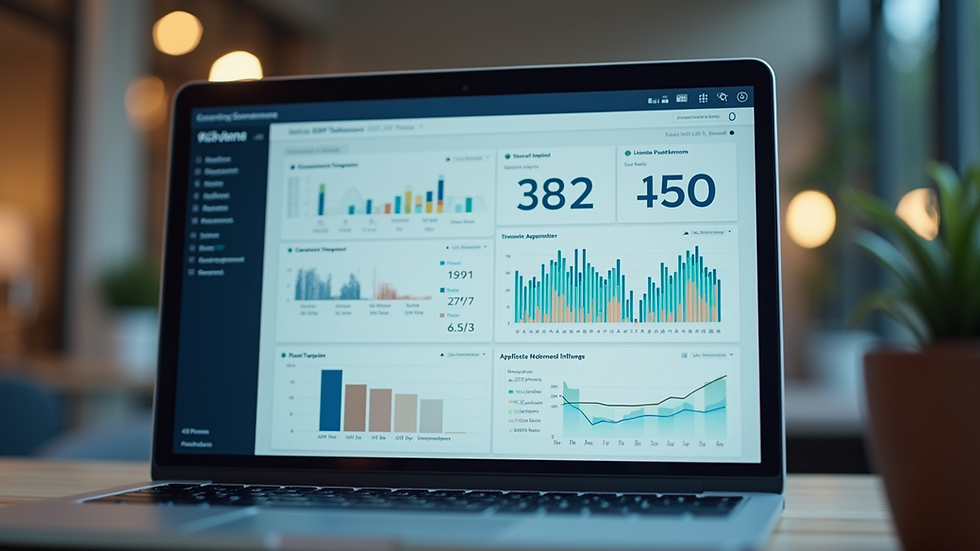
Customizable Dashboards: You can tailor dashboards to show the metrics that matter most to your business. This keeps your team focused on key performance indicators.
Mobile Access: Many ERP solutions offer mobile apps, allowing you to manage operations on the go. This is especially useful for construction sites or retail stores.
These features work together to create a smoother workflow. Imagine your inventory automatically updating when a sale is made or your finance team instantly seeing the impact of a new project. That’s the power of ERP software.

What is the ERP Software?
If you’re new to this term, ERP stands for Enterprise Resource Planning. It’s a type of software that helps businesses manage core activities in one place. Think of it as the central nervous system of your company. Instead of juggling multiple disconnected tools, ERP software brings everything together.
For example, in manufacturing, ERP can track raw materials, production schedules, and finished goods inventory. In retail, it manages stock levels, sales, and customer data. Construction companies can use it to monitor project timelines, budgets, and resource allocation.
The beauty of ERP software lies in its ability to adapt to different industries and business sizes. Whether you run a small retail outlet or a large manufacturing plant, ERP can scale with your needs.

How ERP Software Enhances Productivity and Reduces Costs
One of the biggest benefits I’ve seen with ERP software is how it boosts productivity. When your team has access to accurate data and automated tools, they can focus on what matters most. Here’s how it helps:
Streamlined Processes: By automating repetitive tasks, your staff spends less time on paperwork and more on strategic work.
Improved Collaboration: Since all departments use the same system, communication improves. Everyone stays on the same page.
Better Resource Management: ERP helps you allocate resources efficiently, avoiding overstocking or underutilization.
Reduced Operational Costs: Automation and better planning cut down on waste and errors, saving money.
Faster Response Times: Real-time data means you can react quickly to market changes or customer demands.
For instance, a retail business using ERP can track sales trends and adjust inventory accordingly, preventing stockouts or excess stock. A manufacturing firm can schedule maintenance proactively, reducing downtime.

Choosing the Right ERP Software for Your Business
Selecting the right ERP software is crucial. It should fit your industry, business size, and growth plans. Here are some tips to help you choose wisely:
Identify Your Needs: List the pain points and processes you want to improve. This will guide your feature requirements.
Industry-Specific Solutions: Look for ERP providers that specialize in construction, manufacturing, or retail. They understand your unique challenges.
Scalability: Choose software that can grow with your business. Avoid systems that limit your future expansion.
User-Friendly Interface: Your team should find the software easy to use. Complex systems can slow down adoption.
Support and Training: Ensure the vendor offers good customer support and training resources.
Integration Capabilities: Check if the ERP can connect with your existing tools or third-party applications.
By carefully evaluating these factors, you can select an ERP solution that truly supports your operational goals.
Taking the Next Step Towards Operational Excellence
Implementing ERP software is a strategic move that can transform your business. It simplifies technology, streamlines operations, and supports seamless growth. If you want to explore how this can work for you, consider checking out Catalist Software Solutions. They offer powerful ERP software tailored for businesses in Kerala and the Middle East, especially in construction, manufacturing, and retail.
Remember, the right tools can make all the difference. Don’t let outdated processes hold you back. Embrace ERP software and watch your operational efficiency soar.
Ready to take control of your business operations? Start your ERP journey today and experience the benefits firsthand.


Comments