
Features of ERP Software for Manufacturing
When I first explored ERP software for manufacturing, I was amazed at how much it could simplify complex processes. Manufacturing is a demanding industry. You juggle inventory, production schedules, quality control, and supply chain management daily. Without the right tools, it’s easy to get overwhelmed. That’s where manufacturing-specific ERP features come in. They are designed to tackle these challenges head-on.
Let’s dive into the essential features that make ERP software a game-changer for manufacturers. Whether you run a small workshop or a large factory, these features can help you streamline operations, reduce costs, and improve product quality.
Why Manufacturing-Specific ERP Features Matter
Not all ERP systems are created equal. Generic ERP software might cover basic accounting and HR functions, but manufacturing demands more. You need tools tailored to your unique workflows. Manufacturing-specific ERP features focus on:
Production planning and scheduling
Inventory and materials management
Quality control and compliance
Supply chain coordination
Real-time data and analytics
These features help you stay agile and responsive. Imagine having a clear view of your entire production line at any moment. You can spot bottlenecks, adjust schedules, and avoid costly delays. That’s the power of a manufacturing-focused ERP.

Core Manufacturing-Specific ERP Features You Should Know
Let’s break down the key features that make ERP software truly effective for manufacturing businesses.
1. Production Planning and Scheduling
This feature helps you plan every step of your manufacturing process. You can create detailed production schedules based on demand forecasts and available resources. The system considers machine capacity, labor availability, and material stock to optimize workflows.
For example, if a machine breaks down, the ERP can automatically reschedule tasks to minimize downtime. This keeps your production line running smoothly and reduces delays.
2. Inventory and Materials Management
Managing raw materials and finished goods is critical. Manufacturing ERP systems track inventory levels in real-time. They alert you when stock is low and can even automate reordering.
This prevents production stoppages caused by missing parts. Plus, you avoid overstocking, which ties up capital unnecessarily. The system also supports batch and serial number tracking, essential for traceability and recalls.
3. Quality Control and Compliance
Quality is non-negotiable in manufacturing. ERP software includes tools to monitor product quality at every stage. You can set quality standards, conduct inspections, and record test results.
If a defect is detected, the system can trigger corrective actions immediately. This helps maintain high standards and ensures compliance with industry regulations.

4. Supply Chain Management
Manufacturing depends on a reliable supply chain. ERP systems integrate supplier data, purchase orders, and delivery schedules. This gives you full visibility into your supply chain.
You can track shipments, manage vendor performance, and coordinate logistics. This reduces lead times and helps you respond quickly to changes in demand or supply disruptions.
5. Real-Time Data and Analytics
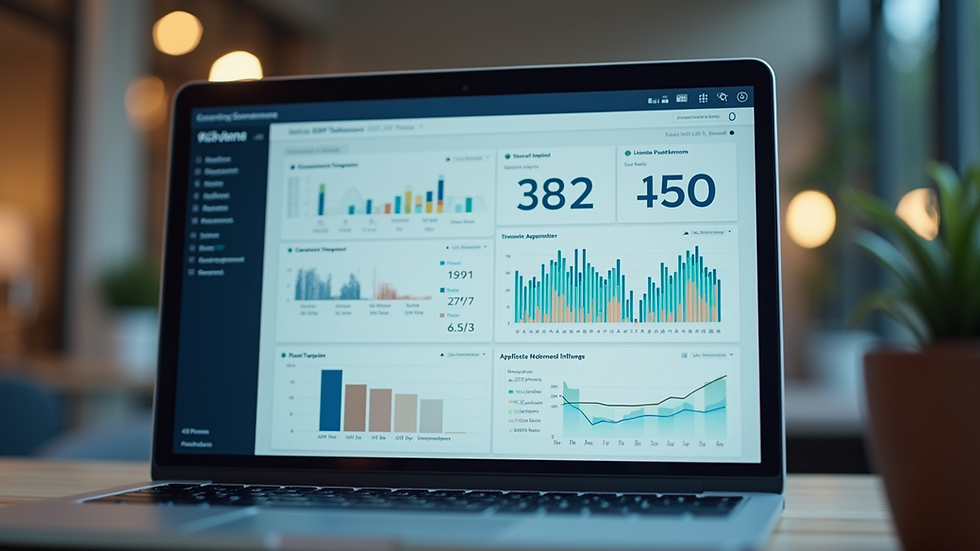
Data drives smart decisions. Manufacturing ERP software provides dashboards and reports with real-time insights. You can monitor key performance indicators (KPIs) like production efficiency, machine utilization, and order fulfillment rates.
With this information at your fingertips, you can identify trends, spot issues early, and continuously improve operations.
How ERP Software Supports Seamless Growth
Growth brings complexity. As your manufacturing business expands, manual processes and spreadsheets won’t cut it. ERP software scales with you, supporting new product lines, additional facilities, and more customers.
Here’s how manufacturing-specific ERP features help you grow without growing pains:
Standardized processes: ERP enforces consistent workflows across teams and locations.
Improved collaboration: Centralized data enables better communication between departments.
Faster response times: Real-time updates let you react quickly to market changes.
Cost control: Automated tracking reduces waste and optimizes resource use.
Regulatory compliance: Built-in controls help you meet local and international standards.
If you want to explore a reliable solution, consider erp software for manufacturing industry. It’s designed to meet the needs of businesses in Kerala and the Middle East, helping you simplify technology and streamline operations.

Practical Tips for Choosing the Right ERP for Manufacturing
Choosing ERP software is a big decision. Here are some tips to help you pick the right system:
Assess your needs: List your current challenges and what you want to improve.
Look for manufacturing-specific features: Ensure the ERP supports production planning, inventory control, and quality management.
Check scalability: The software should grow with your business.
Consider integration: It should work well with your existing tools and machinery.
Evaluate user-friendliness: A simple interface encourages adoption by your team.
Request demos and trials: Test the software in real scenarios before committing.
Review vendor support: Reliable customer service is crucial for smooth implementation.
By following these steps, you’ll find an ERP system that fits your unique manufacturing needs and helps you achieve seamless growth.
Embrace the Future of Manufacturing with ERP
Manufacturing is evolving fast. To stay competitive, you need technology that keeps pace. Manufacturing-specific ERP features give you the tools to optimize every aspect of your operations. From planning and production to quality and supply chain, ERP software transforms complexity into clarity.
Don’t let outdated processes hold you back. Embrace ERP to unlock efficiency, reduce costs, and deliver better products faster. Your business deserves a solution that supports your ambitions and drives success.
Ready to take the next step? Explore how erp software for manufacturing industry can empower your business today.


Comments