
Industry-Specific ERP Solutions for Better Outcomes
In today’s fast-paced business world, staying ahead means embracing technology that fits your unique needs. Enterprise Resource Planning (ERP) systems have become essential tools for companies aiming to streamline operations and boost efficiency. But not all ERP systems are created equal. That’s where industry-specific ERP solutions come into play. These tailored systems address the distinct challenges and workflows of particular industries, offering better outcomes than generic software.
Let’s explore why these specialized ERP solutions matter, how they work, and what you should consider when choosing one for your business.
Why Choose Industry-Specific ERP Solutions?
Generic ERP systems try to cover everything but often miss the mark on industry nuances. Imagine trying to fit a square peg in a round hole. It’s frustrating and inefficient. Industry-specific ERP solutions are designed with your sector’s unique processes in mind. This means less customization, faster implementation, and a system that truly supports your daily operations.
For example, a construction company needs project management tools that track timelines, budgets, and resources on-site. A manufacturing firm requires inventory control, production scheduling, and quality management. Retail businesses focus on point-of-sale integration, customer relationship management, and supply chain logistics. Each industry has distinct needs that a one-size-fits-all ERP can’t fully address.
By choosing an ERP tailored to your industry, you get:
Improved efficiency through workflows that match your business processes.
Better data accuracy with relevant metrics and reporting.
Faster user adoption because the system feels familiar.
Reduced costs by avoiding unnecessary features and customizations.

Construction projects benefit from ERP systems designed to manage timelines and resources effectively.
How Industry-Specific ERP Solutions Transform Businesses
When you implement an ERP system built for your industry, you unlock several advantages that generic systems struggle to provide. Here’s how these solutions transform operations:
Streamlined Operations
Industry-specific ERP solutions integrate all critical functions into one platform. For manufacturing, this might mean linking procurement, production, and quality control seamlessly. In retail, it connects inventory, sales, and customer service. This integration reduces manual data entry and errors, saving time and money.
Enhanced Decision-Making
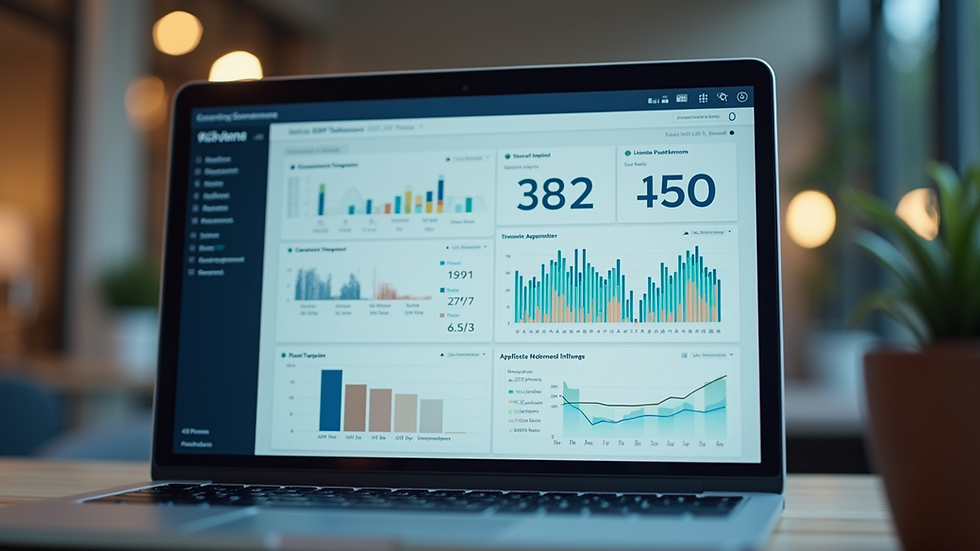
Tailored ERP systems provide dashboards and reports that highlight the most relevant KPIs for your industry. For instance, a construction ERP might track project milestones and cost overruns, while a retail ERP focuses on sales trends and stock levels. This targeted insight helps managers make informed decisions quickly.
Compliance and Risk Management
Different industries face unique regulatory requirements. Industry-specific ERP solutions often include built-in compliance features. For example, manufacturing ERPs may support ISO standards, while construction ERPs help with safety regulations and contract management. This reduces the risk of costly fines and legal issues.
Scalability and Flexibility
As your business grows, your ERP system should grow with you. Industry-specific solutions are designed to scale and adapt to changing needs. Whether expanding product lines, entering new markets, or increasing project complexity, these ERPs provide the flexibility to support your growth.

Retail businesses benefit from ERP systems that streamline sales and inventory management.
What are the top 10 ERP systems?
Choosing the right ERP system can be overwhelming. While many options exist, some stand out for their industry-specific capabilities and overall performance. Here’s a list of ten popular ERP systems known for their adaptability across various sectors:
SAP Business One
Oracle NetSuite
Microsoft Dynamics 365
Infor CloudSuite
Epicor ERP
Sage X3
IFS Applications
Syspro
Acumatica Cloud ERP
10. Odoo
Each of these platforms offers modules or versions tailored to industries like construction, manufacturing, and retail. When evaluating them, consider factors such as ease of use, integration capabilities, local support, and pricing.
How to Choose the Right Industry-Specific ERP Solution
Selecting the perfect ERP system requires careful thought. Here are some practical steps to guide your decision:
1. Assess Your Business Needs
Start by mapping out your current processes and pain points. What tasks consume too much time? Where do errors occur? What features are essential for your industry? This clarity helps you focus on solutions that address your real challenges.
2. Prioritize User Experience
Your team will be the primary users of the ERP system. Choose software with an intuitive interface and strong training resources. A user-friendly system encourages adoption and reduces resistance to change.
3. Check for Local Support and Customization
Especially for businesses in Kerala and the Middle East, local support is crucial. Look for vendors or partners who understand your regional market and can customize the ERP to fit local regulations and business practices.
4. Evaluate Integration Capabilities
Your ERP should work well with existing tools like accounting software, CRM systems, or supply chain platforms. Seamless integration avoids data silos and improves overall efficiency.
5. Consider Cloud vs. On-Premise
Cloud-based ERPs offer flexibility, lower upfront costs, and easier updates. On-premise solutions provide more control and may suit businesses with strict data security needs. Weigh the pros and cons based on your infrastructure and budget.
6. Plan for Scalability
Choose a system that can grow with your business. Avoid solutions that might require a complete overhaul as your operations expand.
Unlocking Growth with Industry-Specific ERP Solutions
Implementing the right ERP system is more than just a technology upgrade. It’s a strategic move that can transform your business operations and set you up for sustainable growth. By choosing industry specific erp solutions, you invest in software that understands your challenges and supports your goals.
Remember, the best ERP system is one that fits your business like a glove. It simplifies complex processes, empowers your team, and provides insights that drive smarter decisions. Whether you’re in construction, manufacturing, or retail, the right ERP solution can be a game-changer.
Ready to take the next step? Explore options that align with your industry and start your journey toward streamlined operations and better outcomes today. Your business deserves software that works as hard as you do.
Thank you for reading! Feel free to share your experiences or questions about ERP systems in the comments below.


Comments