
Streamlining Efficiency with Enterprise Resource Planning
In today’s fast-paced business world, staying ahead means working smarter, not harder. If you’re in construction, manufacturing, or retail, you know how complex managing operations can get. That’s where an ERP system comes in. It’s a game-changer for businesses aiming to streamline processes and boost productivity. Let me walk you through how ERP system benefits can transform your business.
Understanding ERP System Benefits: Why They Matter
ERP systems bring together all your business functions into one platform. Imagine having your inventory, finance, sales, and human resources talking to each other seamlessly. That’s the power of ERP.
Here are some key benefits you can expect:
Improved Efficiency: Automate routine tasks and reduce manual errors.
Better Decision-Making: Access real-time data to make informed choices.
Cost Savings: Cut down on operational costs by optimizing resources.
Scalability: Grow your business without outgrowing your software.
Enhanced Collaboration: Break down silos between departments.
For example, a manufacturing company in Kerala can track raw materials and production schedules in one place. This reduces delays and keeps projects on track. Similarly, a retail business in the Middle East can manage stock levels across multiple stores effortlessly.

How ERP Systems Simplify Complex Operations
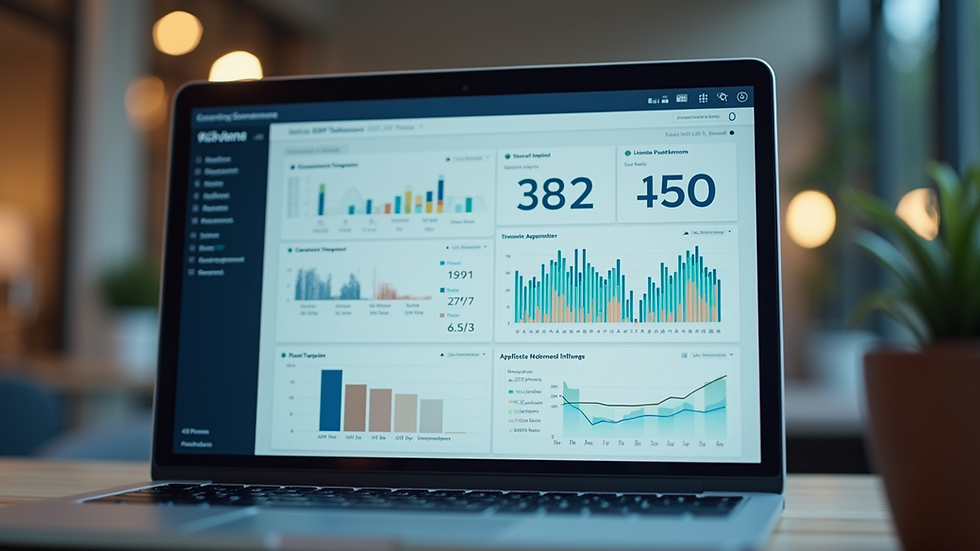
Running a business in construction or retail means juggling many moving parts. ERP systems simplify this by integrating all your processes. Instead of switching between different software, you get a unified dashboard.
Think about procurement. Without ERP, you might have separate spreadsheets for orders, suppliers, and payments. With ERP, all this information is linked. When you place an order, the system updates inventory and triggers payment workflows automatically.
This integration helps you:
Avoid duplicate data entry
Reduce errors and delays
Monitor project progress in real time
Ensure compliance with industry standards
For instance, a construction firm can track equipment usage and maintenance schedules, preventing costly downtime. This level of control is invaluable for businesses aiming to stay competitive.

What is ERP vs CRM?
You might have heard of CRM systems too. So, what’s the difference between ERP and CRM?
ERP (Enterprise Resource Planning) focuses on internal processes. It manages everything from inventory to accounting.
CRM (Customer Relationship Management) focuses on customer interactions. It helps sales and marketing teams track leads, customers, and communications.
While CRM improves customer relationships, ERP improves overall business efficiency. Many companies use both systems together for a complete solution.
For example, a retail business might use CRM to manage customer loyalty programs and ERP to handle stock and billing. Understanding this difference helps you choose the right tools for your needs.

Choosing the Right ERP for Your Business
Not all ERP systems are created equal. When selecting one, consider your industry and specific needs. Here are some tips:
Industry Focus: Look for ERP software tailored to construction, manufacturing, or retail.
User-Friendly Interface: Your team should find it easy to use.
Customization: The system should adapt to your workflows.
Scalability: It should grow with your business.
Support and Training: Reliable vendor support is crucial.
For businesses in Kerala and the Middle East, it’s important to choose a provider familiar with local regulations and market conditions. This ensures smoother implementation and compliance.
I recommend exploring enterprise resource planning solutions that specialize in your industry. They can help you simplify technology and streamline operations effectively.
Getting Started with ERP: Practical Steps
Implementing an ERP system might seem daunting, but breaking it down helps:
Assess Your Needs: Identify pain points and goals.
Involve Your Team: Get input from all departments.
Choose the Right Vendor: Look for experience and local presence.
Plan the Rollout: Start with critical modules first.
Train Your Staff: Ensure everyone knows how to use the system.
Monitor and Improve: Use feedback to optimize processes.
Remember, ERP is an investment in your business’s future. The right system can save you time, reduce costs, and open new growth opportunities.
Embracing Growth with ERP System Benefits
Adopting an ERP system is more than just installing software. It’s about transforming how your business operates. With the right approach, you can:
Increase productivity
Enhance customer satisfaction
Improve financial management
Gain a competitive edge
Whether you’re managing a construction project in Kochi or running a retail chain in Dubai, ERP can help you achieve seamless growth.
Why wait? Take the first step towards smarter business management today. Explore ERP solutions that fit your needs and watch your operations become more efficient and agile.
By focusing on practical benefits and clear steps, I hope this guide helps you see how ERP system benefits can make a real difference. Ready to streamline your business? The right ERP system is just a click away.


Comments