
Streamlining Panel Fabrication: How Specialized ERP Software Transforms Electrical Panel Manufacturing
Electrical panel manufacturing is a complex engineering discipline. From HT/LT switchgears and Motor Control Centers (MCC) to Power Control Centers (PCC) and custom PLC automation panels, every project involves intricate design workflows, multi-stage shop floor operations, strict compliance standards, and tight delivery schedules.
Generic ERP systems often fail to address the specific needs of panel builders—such as tracking enclosure sheet metal cutouts, busbar interconnections, or managing panel repair tickets. This is where a purpose-built Manufacturing Execution System (MES) and ERP solution like Catalist ERP 2.0 becomes essential.
The Core Operations of Panel Building: "Quote It. Build It. Bill It."
Managing a panel manufacturing plant requires seamless coordination across engineering, production, procurement, and field support. Here is how modern specialized ERP platforms optimize every phase:
1. Accurate Estimation & Design Handover
Before production begins, precise estimation is critical to protect project margins:
Costing & Estimation: Calculate material requirements (switches, breakers, copper busbars, sheet metal), labor hours, and overhead expenses accurately.
Design Handover Workflow: Gain real-time visibility into the status of engineering design approvals before releasing bills of materials (BOM) to the factory floor.
2. Live Shop Floor Tracking & Fabrication Management
Panel manufacturing isn't just assembly—it requires step-by-step physical tracking:
Fabrication & Sheet Metal: Track enclosure metalwork, CNC cutouts, bending, welding, and powder coating progress.
Busbar & Interconnection Tracking: Log progress on copper/aluminum busbar cutting, bending, sleeving, and terminal interconnections.
Wiring & Assembly: Assign technicians, raise assembly requests, and track real-time wiring status for every individual enclosure compartment.
3. Digital Quality Control & Compliance
In electrical manufacturing, compliance and safety are non-negotiable:
Digital Checklists: Execute reusable, standardized digital Quality Control (QC) checklists prior to factory acceptance testing (FAT).
Test Certificates: Generate and store insulation resistance test certificates, high-voltage test logs, and compliance documents directly attached to the panel's job card.
4. Post-Dispatch, AMC & Field Support
The lifecycle of a custom panel extends long after dispatch:
Help Desk & Site Tickets: Log client site complaints or installation issues with full traceability to the original build serial number.
Product Repair & Traceability: Trace faulty components back to specific vendors or batches when handling field repairs.
Annual Maintenance Contracts (AMC): Track recurring preventive maintenance schedules and warranty periods for installed panels across client sites.
Operations Dashboard: Real-Time Project Visibility
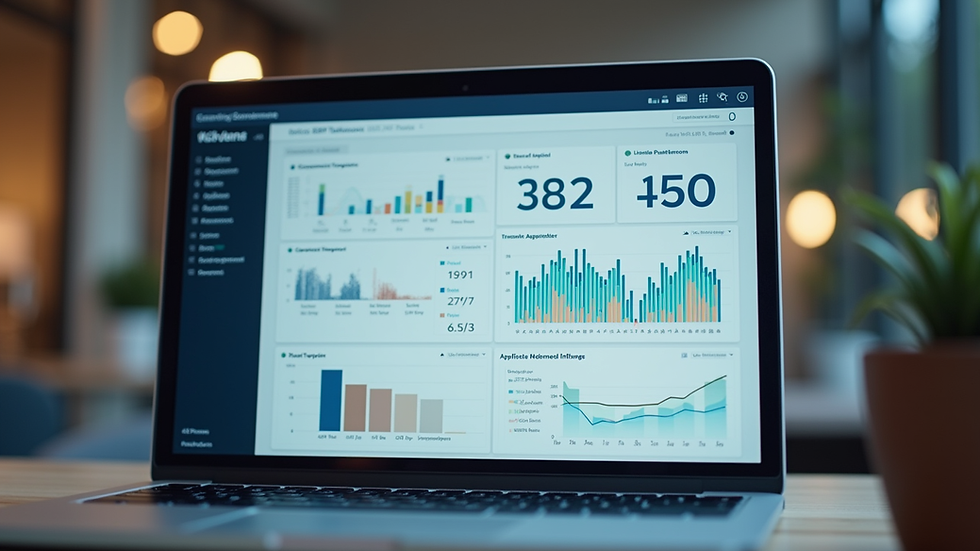
One of the biggest advantages of specialized software is a unified Panel Production Timeline Dashboard. Managers can monitor the status of every active job at a glance:
Live Job Breakdown: Monitor stages across Design, Fabrication, Interconnection, Assembly, Wiring, and Dispatch.
Budgeted vs. Actual Consumption: Instantly compare actual component consumption against initial BOM estimates to prevent cost overruns.
Delivery Milestones: Keep track of target dispatch dates for high-value projects across commercial infrastructure, solar farms, data centers, and industrial facilities.
Integrated Back-Office & Business Operations
A comprehensive panel manufacturing ERP unites the factory floor with core business functions:
Sales & CRM: Manage tenders, conduct competitor analysis, track quotation revisions, and streamline vendor qualification processes.
Procurement & Inventory: Facilitate RFQ comparisons, purchase orders, and multi-warehouse stock management tailored for electrical hardware.
Finance & Compliance: Handle project-based accounting, Earnest Money Deposit (EMD) management, E-Invoicing, E-Waybill generation, and GST reports seamlessly.
Conclusion
For electrical panel manufacturers looking to scale, relying on fragmented spreadsheets or generic software creates bottlenecks, delays, and budget leaks. Adopting a dedicated, end-to-end panel building ERP empowers teams to boost operational throughput, ensure strict quality standards, and deliver projects on time.
Powered by solutions like Catalist ERP, designed specifically for LT/HT panel builders, MCC/PCC manufacturers, and control desk fabricators.



Comments