
Unlocking Growth with ERP for Construction and Contracting Industry
In the fast-paced world of construction and contracting, managing projects, resources, and finances can quickly become overwhelming. I’ve seen firsthand how businesses struggle to keep everything on track without the right tools. That’s where an ERP product designed specifically for the construction and contracting industry can make a huge difference. It’s not just about software; it’s about transforming how you work to boost efficiency and growth.
Why Choose an ERP Tailored for Construction and Contracting?
You might wonder, why not just use any ERP system? The truth is, construction and contracting have unique challenges. From handling multiple projects simultaneously to managing subcontractors and tracking materials, the needs are very specific. A generic ERP often falls short in addressing these complexities.
A construction-focused ERP understands the industry’s language and workflows. It offers modules for project management, procurement, budgeting, and compliance that align perfectly with your daily operations. This means less time wrestling with software and more time focusing on what matters - delivering quality projects on time.
Key Features That Make a Difference
Project Management: Track progress, deadlines, and milestones with real-time updates.
Resource Allocation: Assign labor, equipment, and materials efficiently.
Financial Control: Manage budgets, invoices, and payments seamlessly.
Compliance and Safety: Ensure all regulatory requirements are met without hassle.
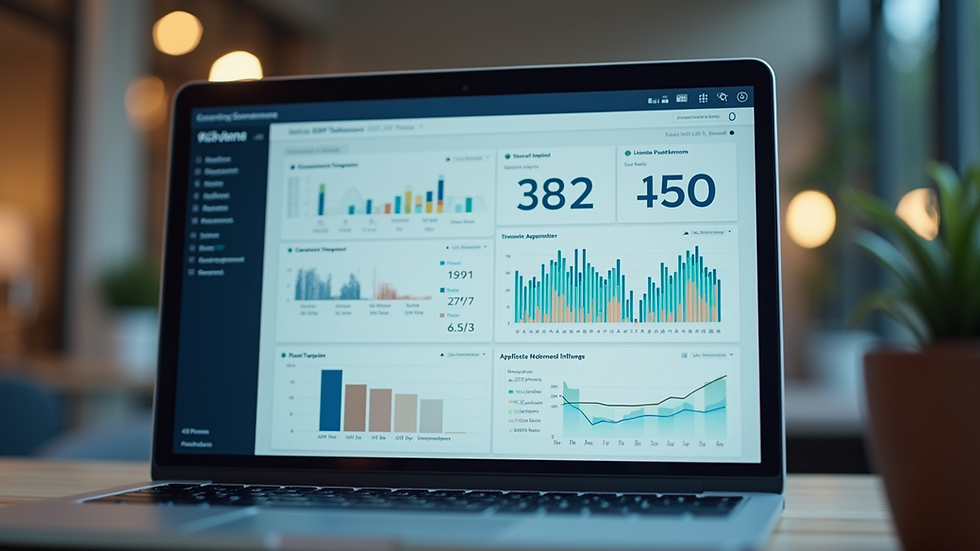
Reporting and Analytics: Gain insights to make informed decisions quickly.
These features are designed to work together, creating a smooth workflow that reduces errors and delays.

How ERP Simplifies Complex Construction Processes
Managing a construction project involves juggling many moving parts. Without a centralized system, it’s easy to lose track of costs, schedules, or resource availability. An ERP system brings everything under one roof.
Imagine having instant access to project status, budget updates, and resource allocation from your office or on-site. This transparency helps you spot issues early and adjust plans before they become costly problems. For example, if a supplier delays material delivery, the ERP alerts you so you can reschedule tasks or find alternatives.
Moreover, automating routine tasks like purchase orders and payroll frees up your team to focus on critical activities. This not only saves time but also reduces human errors that can lead to costly rework.
Exploring the Construction ERP Benefits
When I talk about construction erp benefits, I’m referring to more than just operational improvements. These benefits ripple through every aspect of your business:
Increased Productivity: Streamlined workflows mean your team spends less time on paperwork and more on productive work.
Cost Savings: Better budget control and reduced waste help protect your bottom line.
Improved Collaboration: Everyone from project managers to subcontractors stays on the same page.
Enhanced Customer Satisfaction: Deliver projects on time and within budget, building trust and repeat business.
Scalability: As your business grows, the ERP adapts to handle more projects and complexity.
These advantages are especially valuable for businesses in Kerala and the Middle East, where competition is fierce and project demands are high.

Practical Tips for Implementing Construction ERP Successfully
Adopting a new ERP system can feel daunting. Here are some practical steps to make the transition smoother:
Assess Your Needs: Identify pain points and prioritize features that address your biggest challenges.
Involve Your Team: Get input from project managers, finance, and field staff to ensure the system fits all users.
Choose the Right Vendor: Look for providers with experience in construction ERP and strong local support.
Plan Training: Invest in comprehensive training to help your team get comfortable quickly.
Start Small: Pilot the system on a few projects before rolling it out company-wide.
Monitor and Adjust: Use feedback to fine-tune processes and maximize benefits.
Remember, the goal is to simplify technology and streamline operations, not add complexity.
Embracing Technology for Seamless Growth
The construction and contracting industry is evolving rapidly. Businesses that embrace technology like ERP software position themselves for long-term success. By integrating all aspects of your operations, you gain control, clarity, and confidence.
If you want to stay competitive in Kerala and the Middle East, investing in a construction-specific ERP is a smart move. It’s not just about managing projects better; it’s about unlocking new opportunities for growth and efficiency.
Take the first step today. Explore how an ERP tailored for your industry can transform your business and help you achieve seamless growth.
I hope this gives you a clear picture of how powerful and practical construction ERP solutions can be. Ready to simplify your operations and grow smarter? The right ERP is waiting to help you build a stronger future.


Comments